Followthe steam
Cha chaan teng, sweet soup, wet markets and the food of each season: an independent English guide to eating in Hong Kong.
What are you craving?
Pick a kind of food and read our plain-English guide to it: what it is, what to order and how it came to be part of Hong Kong life.
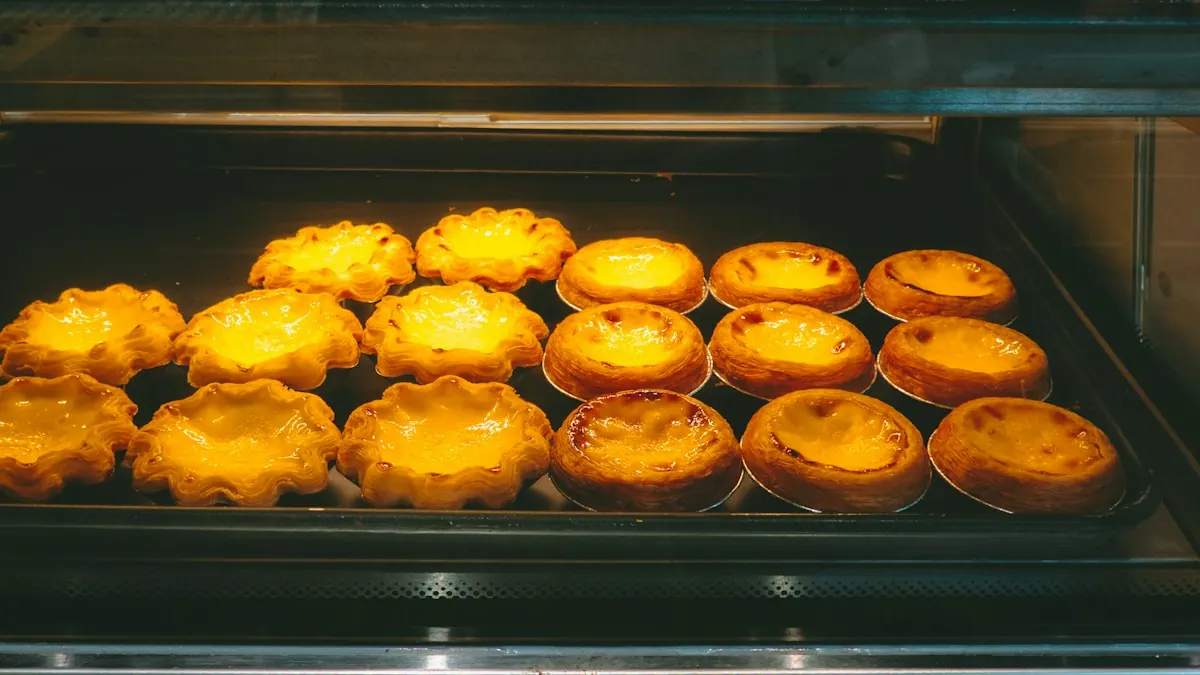 Cha chaan tengEgg tarts (illustrative)
Hong Kong-style cafés
Milk tea, egg tarts, pineapple buns, set meals: the casual cafés that mix local and Western dishes.
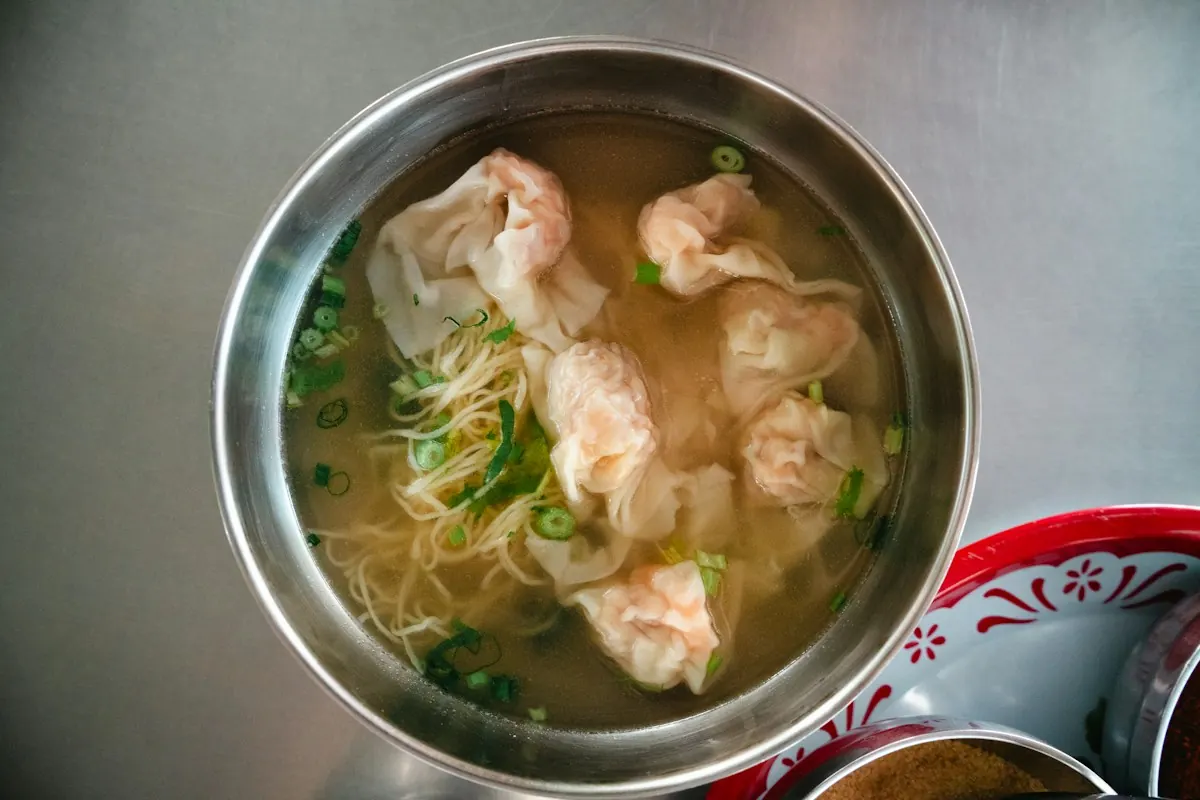 Noodles & congee
Noodle shops
Shrimp wontons, fish balls and bowls of congee.
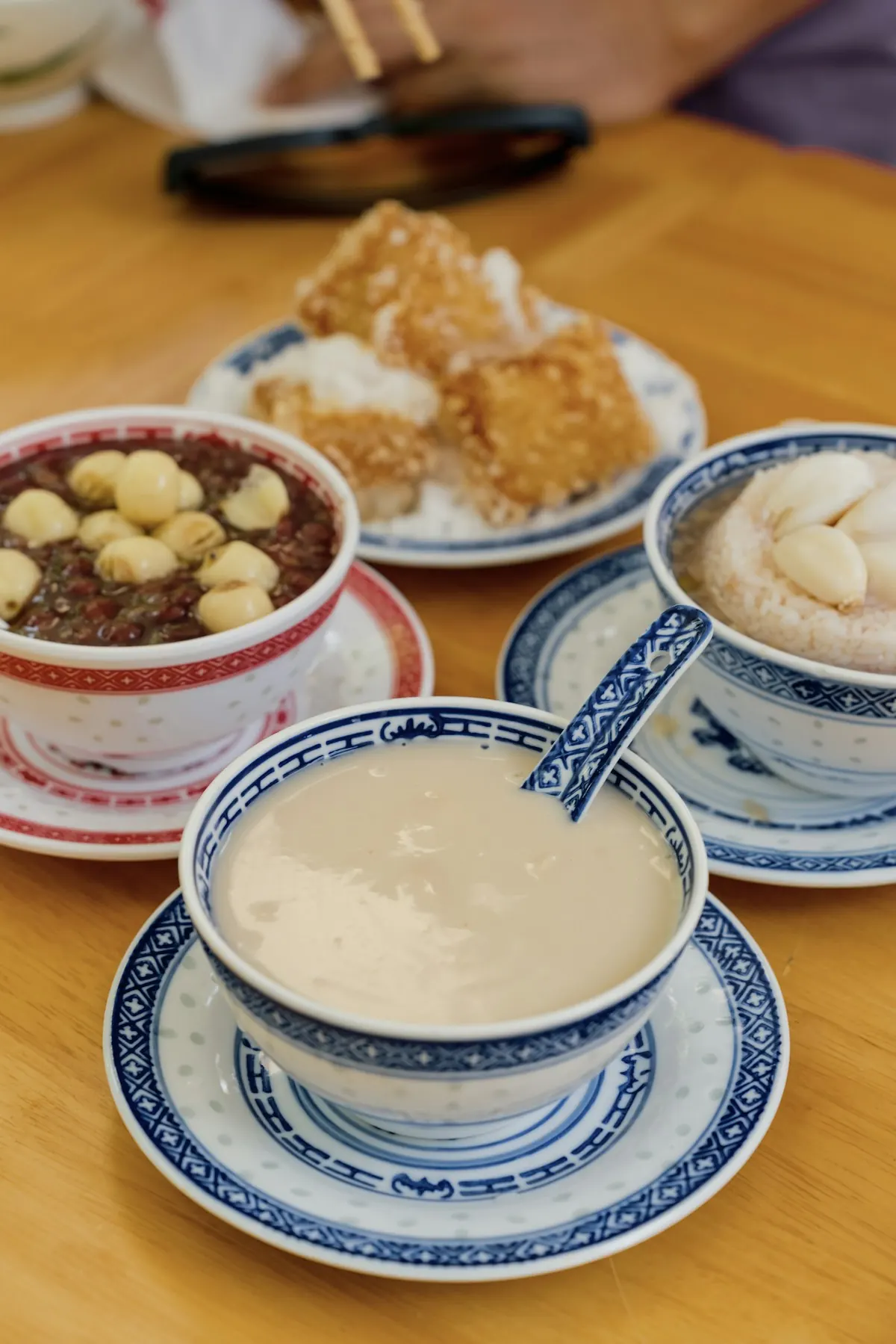 Dessert
Sweet soup & desserts
Tong sui, the sweet soups served warm or cold after a meal.
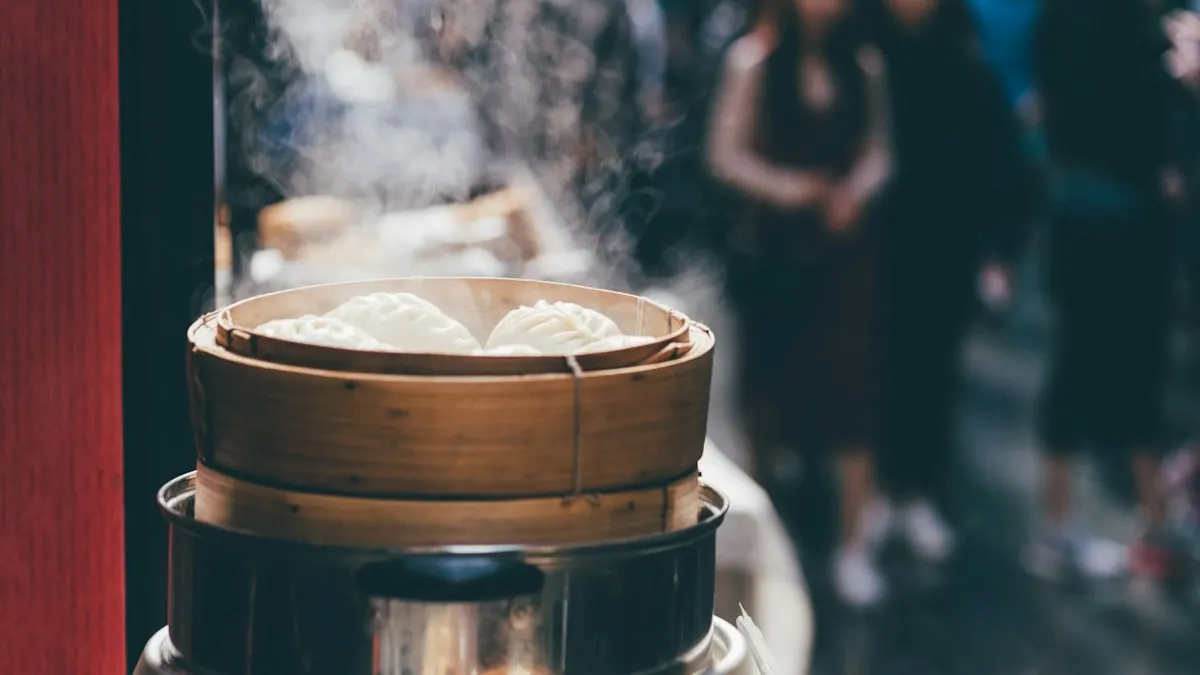 Dim sumIllustrative
Baskets & buns
Steamed buns and dumplings, best eaten hot from the basket.
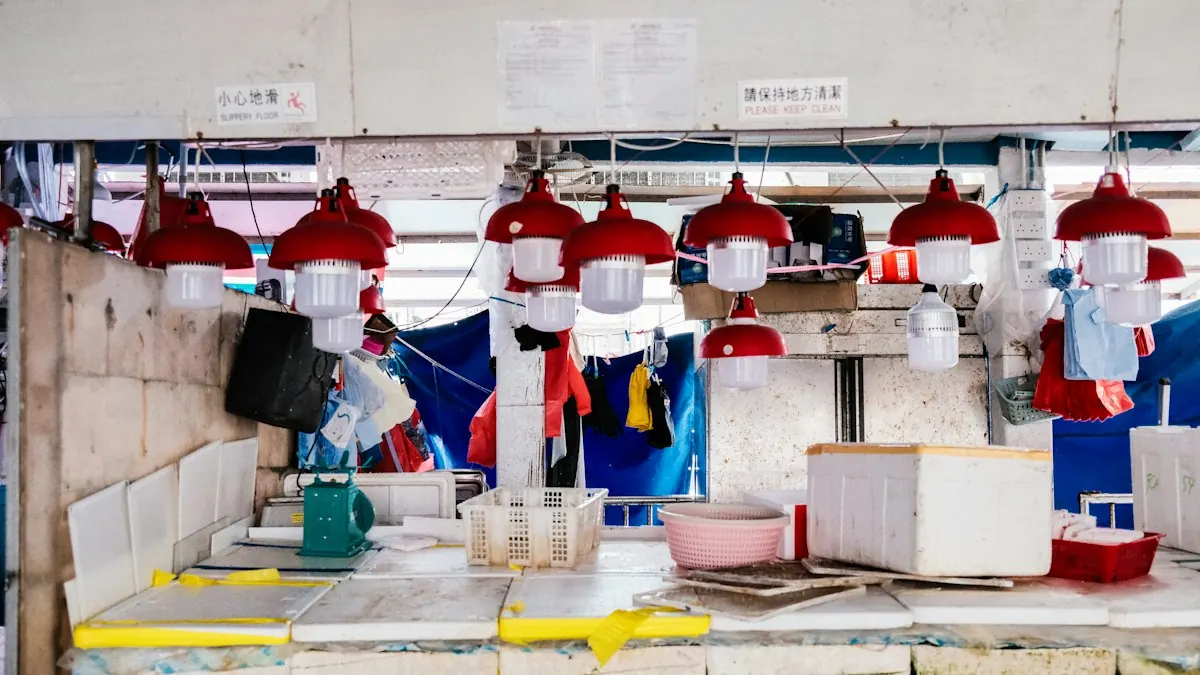 SeafoodAberdeen fish market
From the harbour
Fish stalls, red lamps and how a Hong Kong wet market works.
- 中Chinese kitchens
- 快Fast food
- 飲Drinks & tea
- 和Japanese
- 韓Korean
- 南Southeast Asian
- 西Western
- 素Vegetarian
- 料Ingredients
Eat your way across town
Hong Kong Island, Kowloon and the New Territories each have their own markets, cafés and late snack streets. These are the neighbourhoods to start with.
New Territories West新界西
- Tsuen Wan
- Kwai Chung
- Tsing Yi
- Tuen Mun
- Yuen Long
- Tin Shui Wai
New Territories East & Islands新界東及離島
- Sha Tin
- Tai Wai
- Tai Po
- Fanling
- Sheung Shui
- Tung Chung
Kowloon West九龍西
- Sham Shui Po
- Mong Kok
- Yau Ma Tei
- Jordan
- Tsim Sha Tsui
- Lai Chi Kok
Kowloon East九龍東
- Kowloon City
- To Kwa Wan
- Hung Hom
- Kowloon Bay
- Kwun Tong
- Lam Tin
Hong Kong Island港島區
- Sheung Wan
- Central
- Wan Chai
- Causeway Bay
- North Point
- Shau Kei Wan
- Chai Wan
- Aberdeen
Every district街市
has a wet market. Start with our market guide.
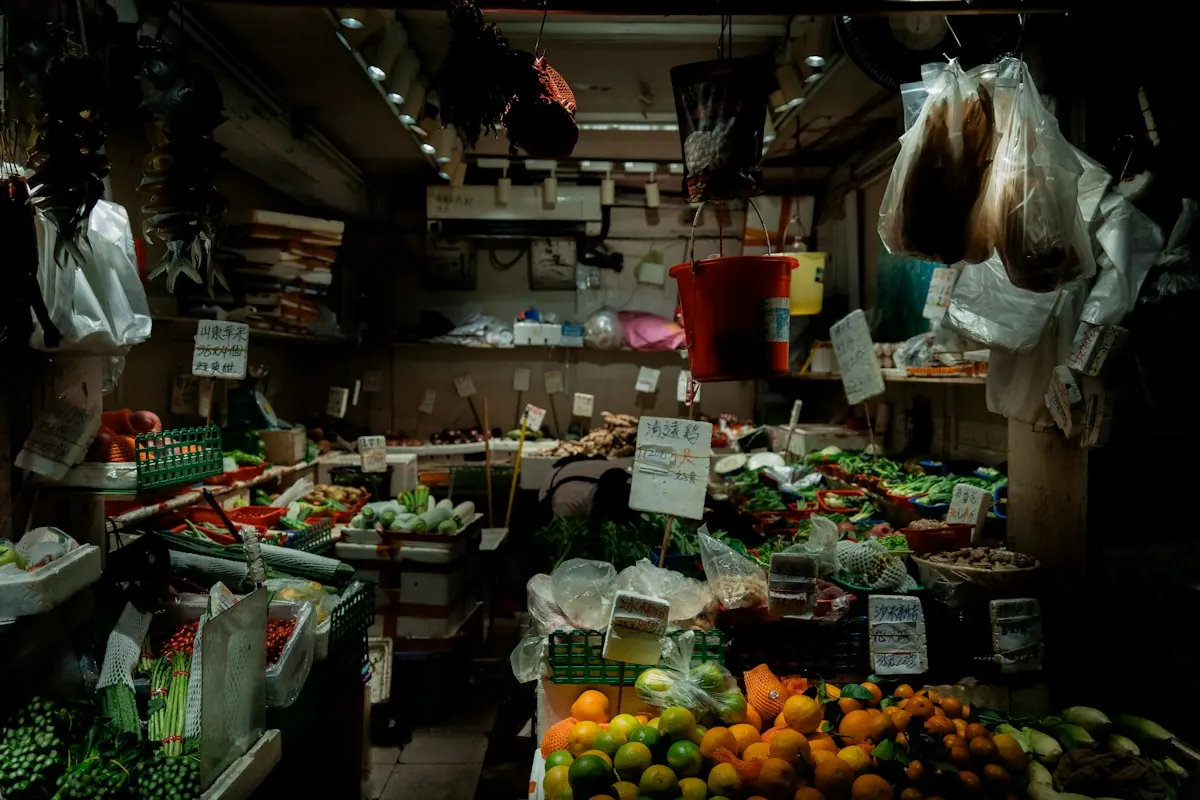
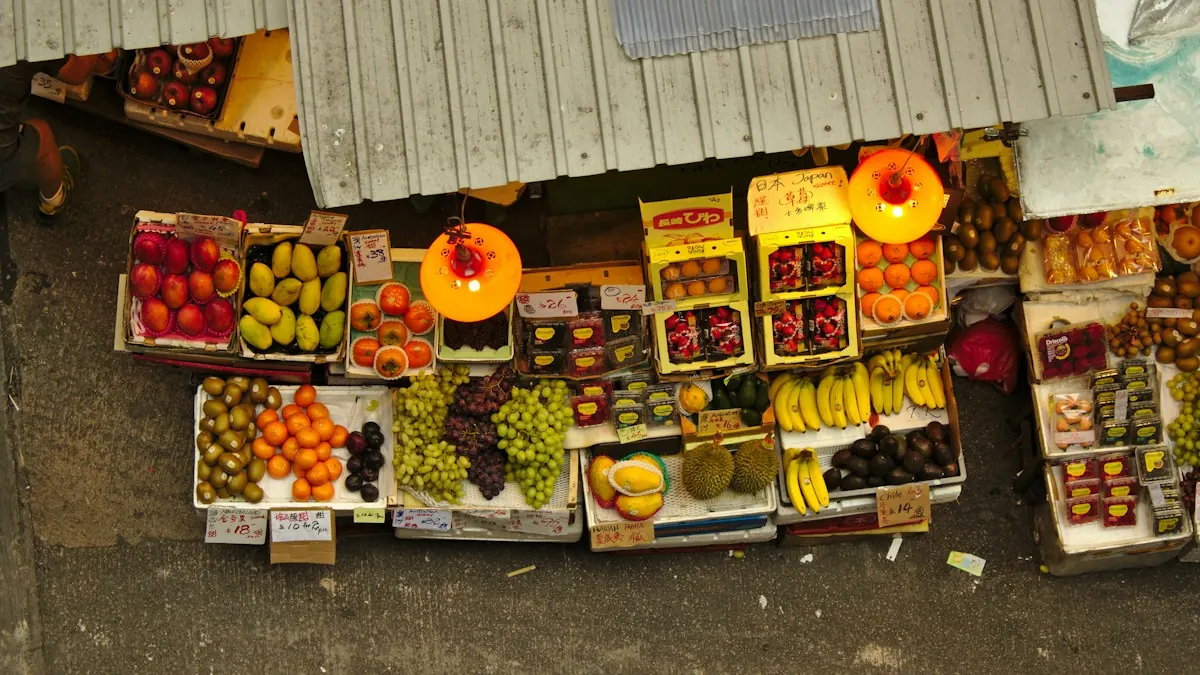
Go to market
Wet markets, weekend farm markets and night stalls. Our guide explains how they work, what to buy and how to shop like a local.
- 街市
Wet markets
Fish, produce and fresh food in a market hall or street. The floors stay wet from melting ice and washed-down stalls.
- 墟
Weekend & farm markets
Local growers, home-made jams and sauces, and craft stalls.
- 夜
Night bazaars & street stalls
Snacks, sweets and the stalls that open as the shops close.
Hong Kong has had large public markets since at least 16 May 1842, when the first Central Market opened.
Read the wet market guideEat with the seasons
The old Chinese calendar splits the year into 24 solar terms, from Spring Commences to Severe Cold. Our calendar lists all 24 with their dates, the festival foods that fall near them and the local vegetables of each season.
Solar terms: Hong Kong Observatory, "The 24 Solar Terms".
Food with a back story
Short reads from our guides: festival food, old ways of keeping food and the words you hear at a market stall.
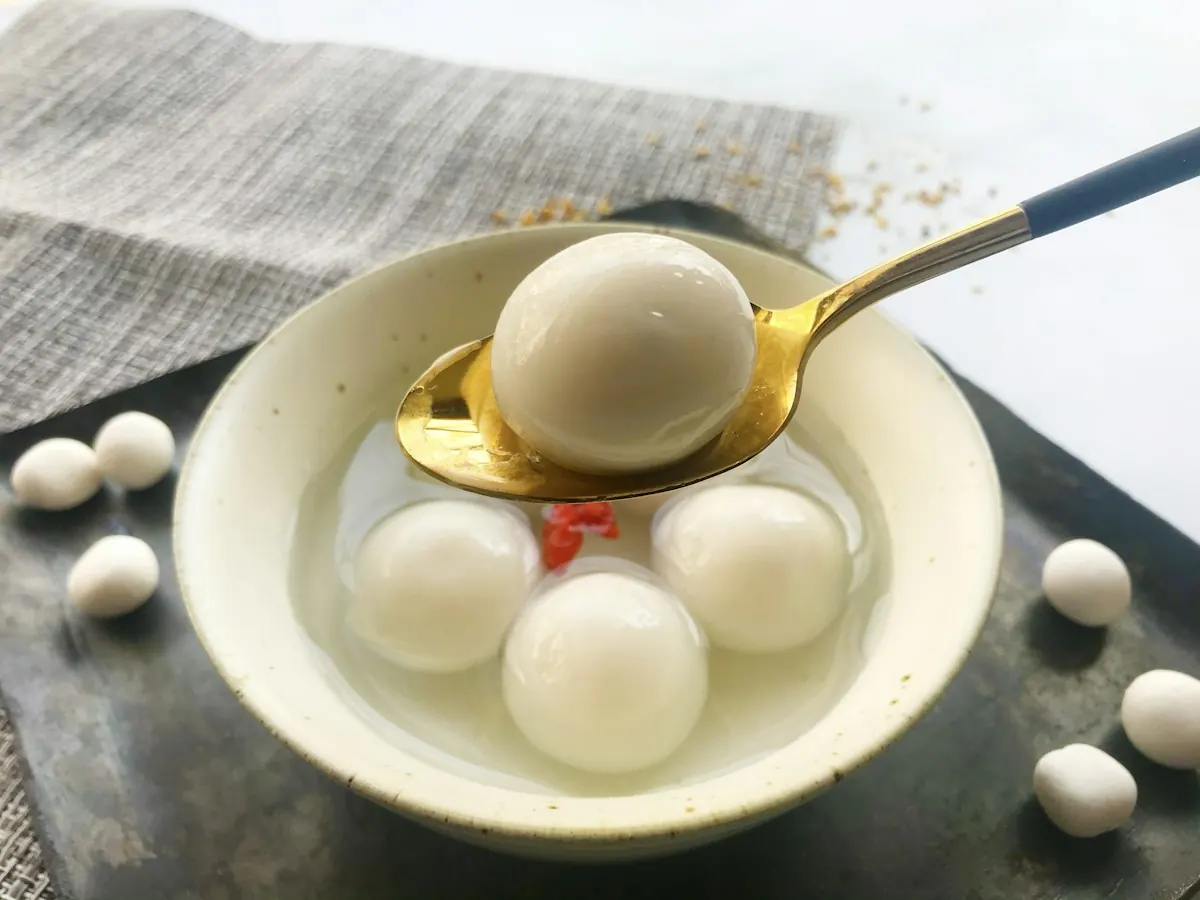
The winter solstice dinner
Dongzhi falls on 21 or 22 December. Families eat together, often with tangyuan rice balls in sweet soup.
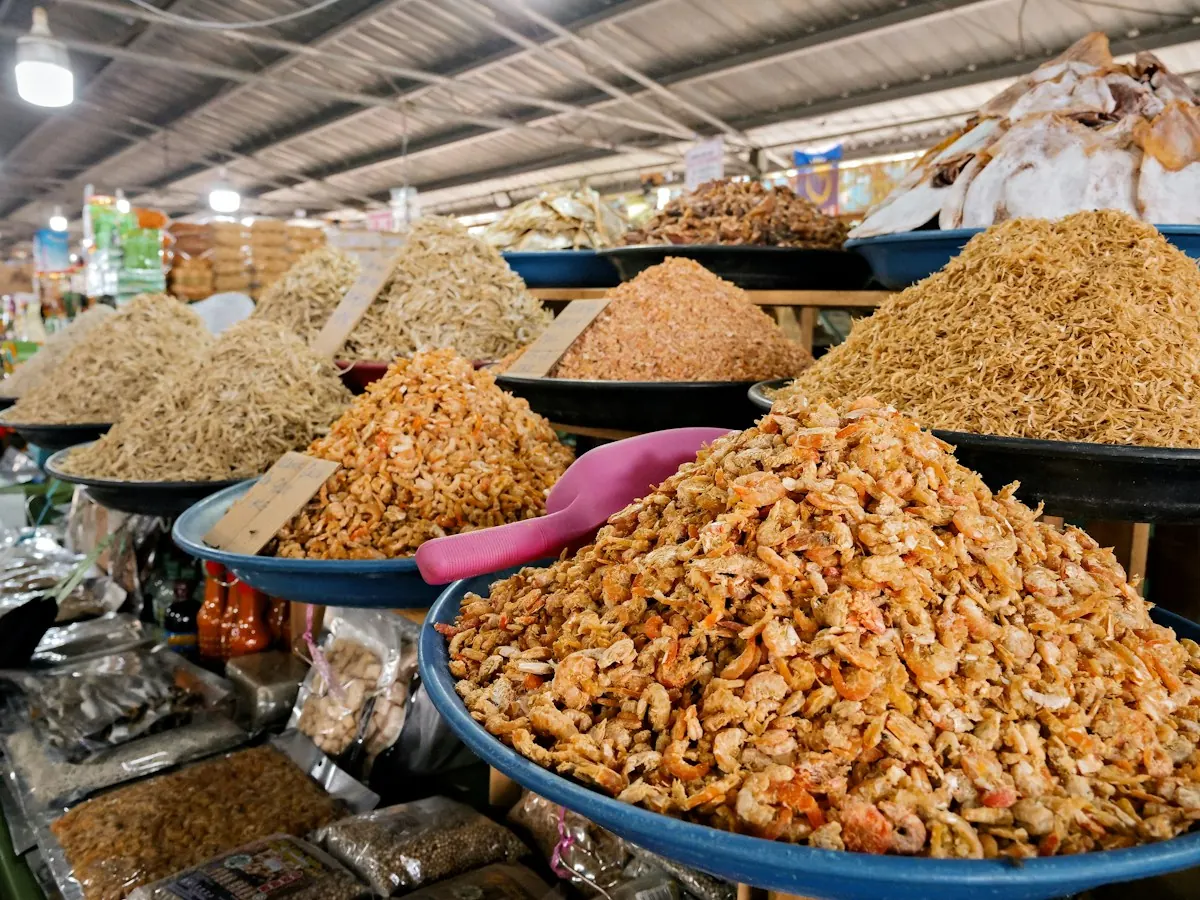
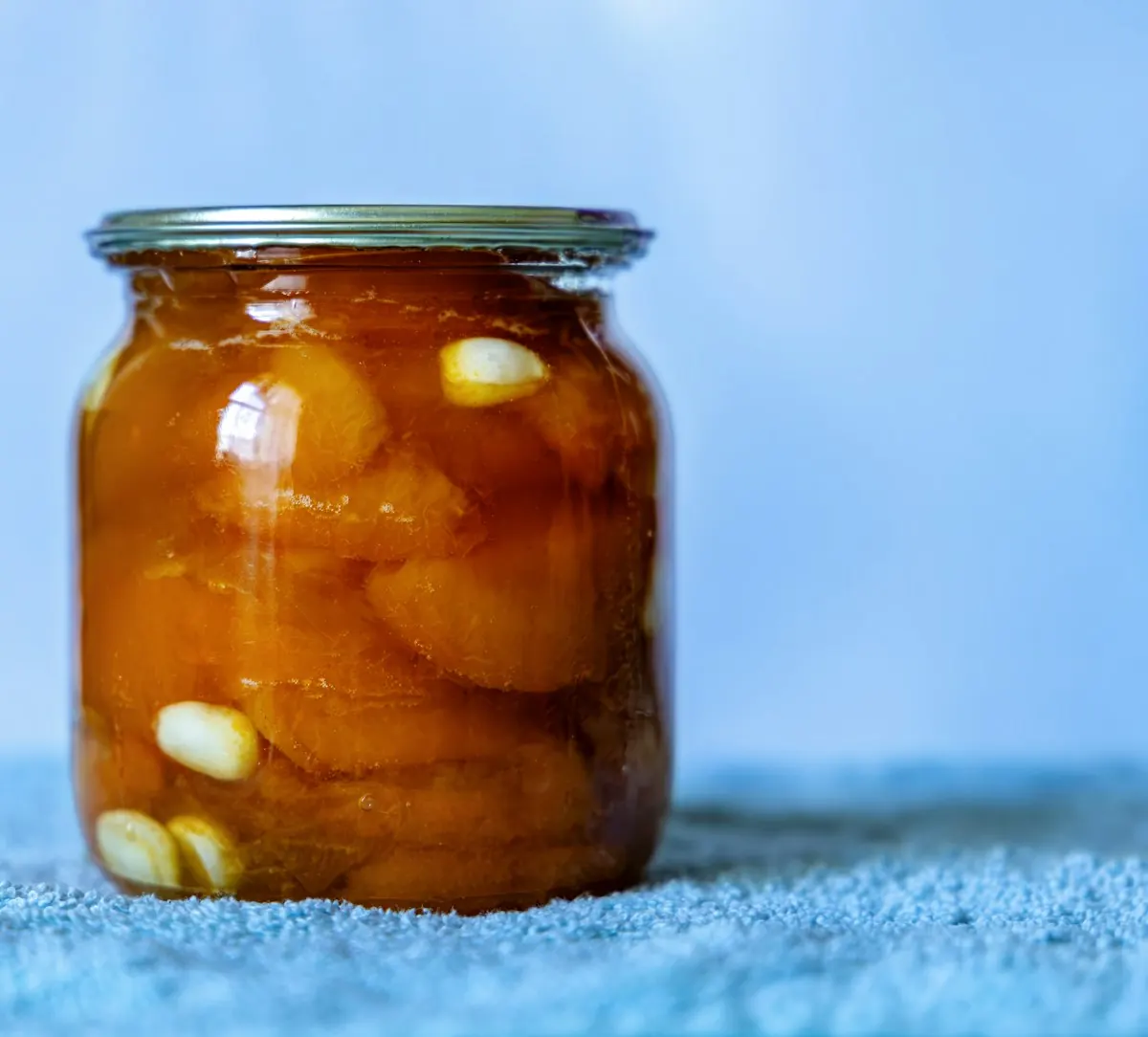
Salted, dried & preserved
Salt fish has been sold in Hong Kong markets since the first one opened in 1842.
Warm or cold?
How to choose a sweet soup for the weather.
Silk stocking milk tea
Why Hong Kong milk tea is strained through a cotton bag.
Sharing a table
Set meals, shorthand orders and "daap toi" at a busy café.
Market words
The Cantonese words you hear at a wet market stall, explained.
Good questions
Short answers to what people ask about Hong Kong food and about this site.
What is a cha chaan teng?
A Hong Kong-style café. The menu is cheap and long, mixing Hong Kong dishes with Hong Kong-style Western ones, and the setting is casual. They are common in Hong Kong, Macau and parts of Guangdong, and spread in the 1950s and 60s.
What is Hong Kong milk tea made of?
Black tea (often Ceylon) with evaporated or condensed milk. The tea is strained through a cotton bag, and the bag's stained colour gave it the nickname "silk stocking" milk tea. You can order it hot or iced.
Are egg tarts and pineapple buns part of Hong Kong heritage?
Yes. In 2014 milk tea, yuenyeung (coffee mixed with tea), pineapple buns and egg tarts were added to Hong Kong's first Intangible Cultural Heritage Inventory.
When is Dongzhi in Hong Kong?
Dongzhi is the winter solstice festival, on 21 or 22 December. It is a time for families to eat together, and many businesses in Hong Kong let staff leave early. Tangyuan, sweet glutinous rice balls, are a common dish.
Why is it called a wet market?
Stalls keep fish and fresh food cold on ice, and the counters are washed down often, so the floors stay wet. Wet markets sell fresh food such as fish, produce and meat, and most Hong Kong neighbourhoods have at least one.
What are the 24 solar terms?
They are 24 points in the solar year, one for every 15 degrees the Sun moves along its yearly path. Their names, like Insects Waken, White Dew and Frost, reflect the climate of central China in ancient times.
Does ohmyking deliver food or list shops?
No. We are an independent guide. We do not take orders or payments, and we do not list shops yet. To order food, contact a shop directly.
How do I send a correction?
Email hello@ohmyking.com with the page address and what needs fixing. If you can, include a source and we will check it.
Sources: Wikipedia, Cha chaan teng; Wikipedia, Hong Kong-style milk tea; Wikipedia, Dongzhi Festival; Wikipedia, Wet market; Hong Kong Observatory, The 24 Solar Terms.